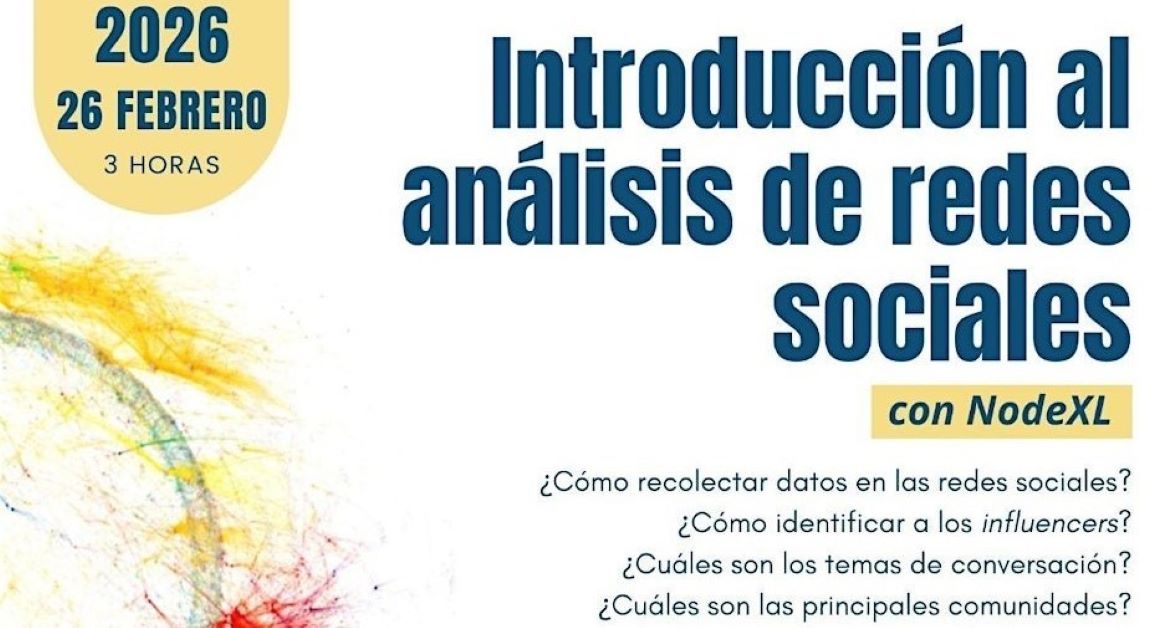
DESCRIPCIÓN DE EVENTO ▪ ¿Cuál es la fecha y duración del evento? Fecha: 26 de…
NodeXL in the classroom: Indonesia
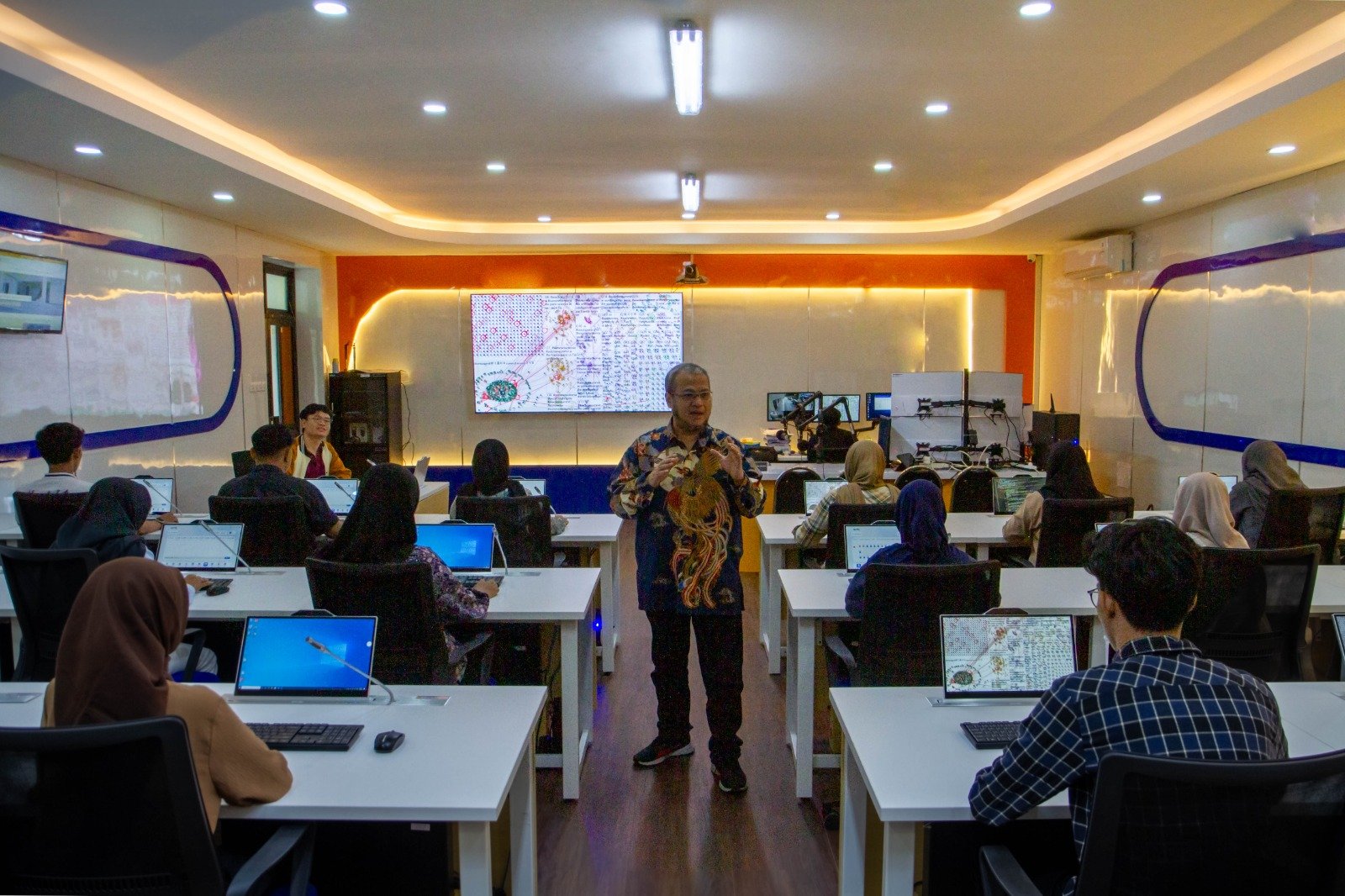
Integrated Digital Laboratory – UPN “Veteran” Jawa Timur
The Integrated Digital Laboratory under the Faculty of Social, Cultural, and Political Sciences at Universitas Pembangunan Nasional “Veteran” Jawa Timur – Indonesia and led by Dr. Irwan Dwi Arianto, M.I.Kom., focuses on advancing social research methodologies based on big data and providing training in digital communication analysis. The laboratory emphasizes a critical approach rooted in local wisdom while remaining open to interdisciplinary collaboration.
In its research activities the laboratory integrates the complementary use of NodeXL and ASIGTA. ASIGTA extends the capabilities of NodeXL by enabling data collection from platforms beyond its scope, offering custom visualizations, sentiment analysis grounded in local cultural contexts, emoji–emotion mapping, more complex actor clustering, and other features tailored to specific research needs. With ASIGTA’s flexible dashboard, researchers can address research questions with greater precision, particularly in mixed-methods studies that are sensitive to Indonesia’s socio-cultural contexts.
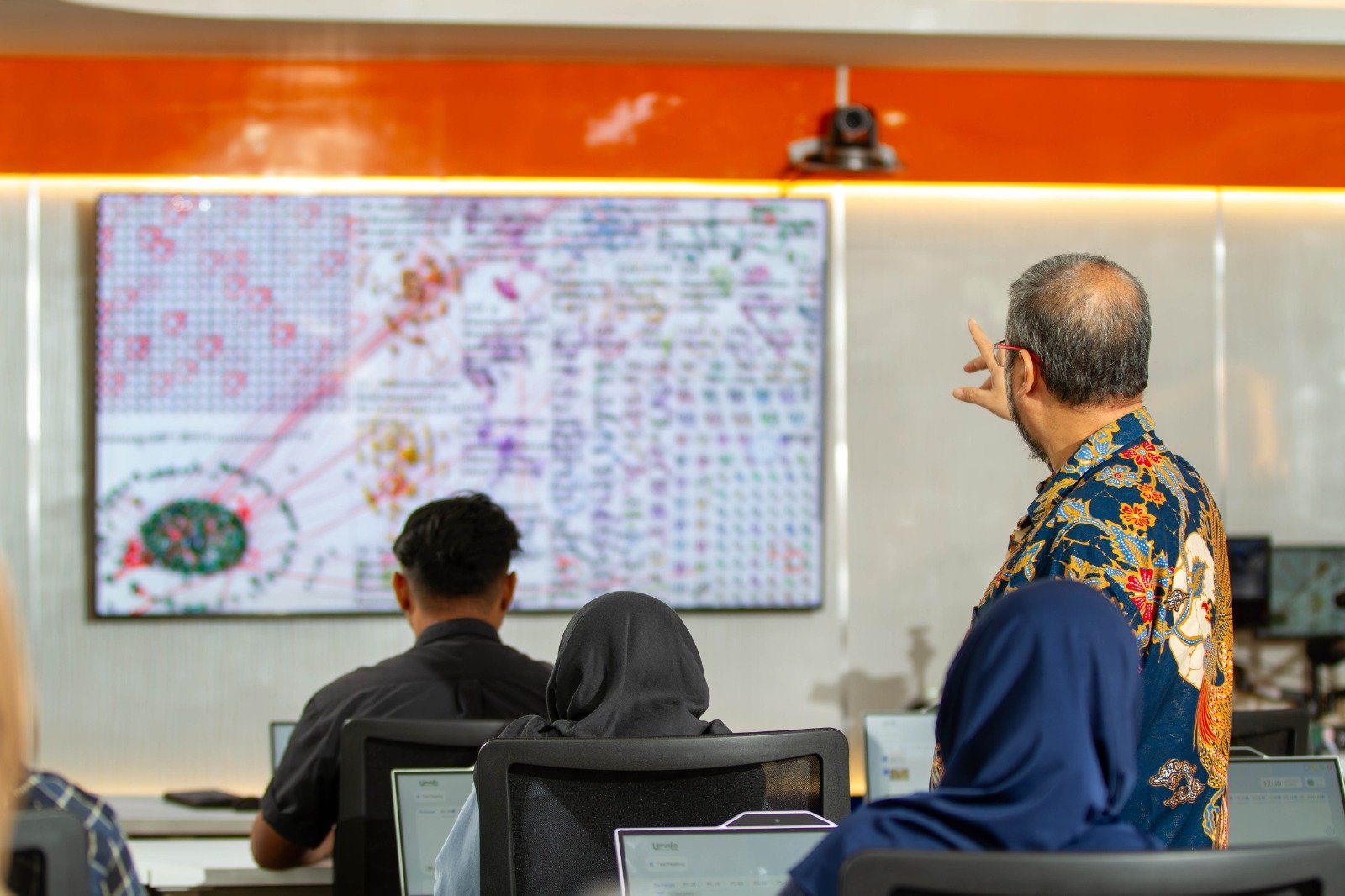
Beyond research, the laboratory also organizes big data communication training programs for academics, students, researchers, bureaucrats, and professionals. These programs equip participants with practical skills in social network analysis, digital ethnography, critical discourse analysis, and data visualization. Training includes hands-on use of NodeXL, ASIGTA, and other supporting applications within the scope of computational social science, enabling participants to understand and apply digital data analysis methods across diverse fields, ranging from media and business to politics and public policy.
By adapting global methodologies to the Indonesian context, the Integrated Digital Laboratory seeks to strengthen the contribution of the Global South to the study of digital communication while fostering opportunities for international collaboration and interdisciplinary knowledge exchange.
Related Posts